News from the Markant Group
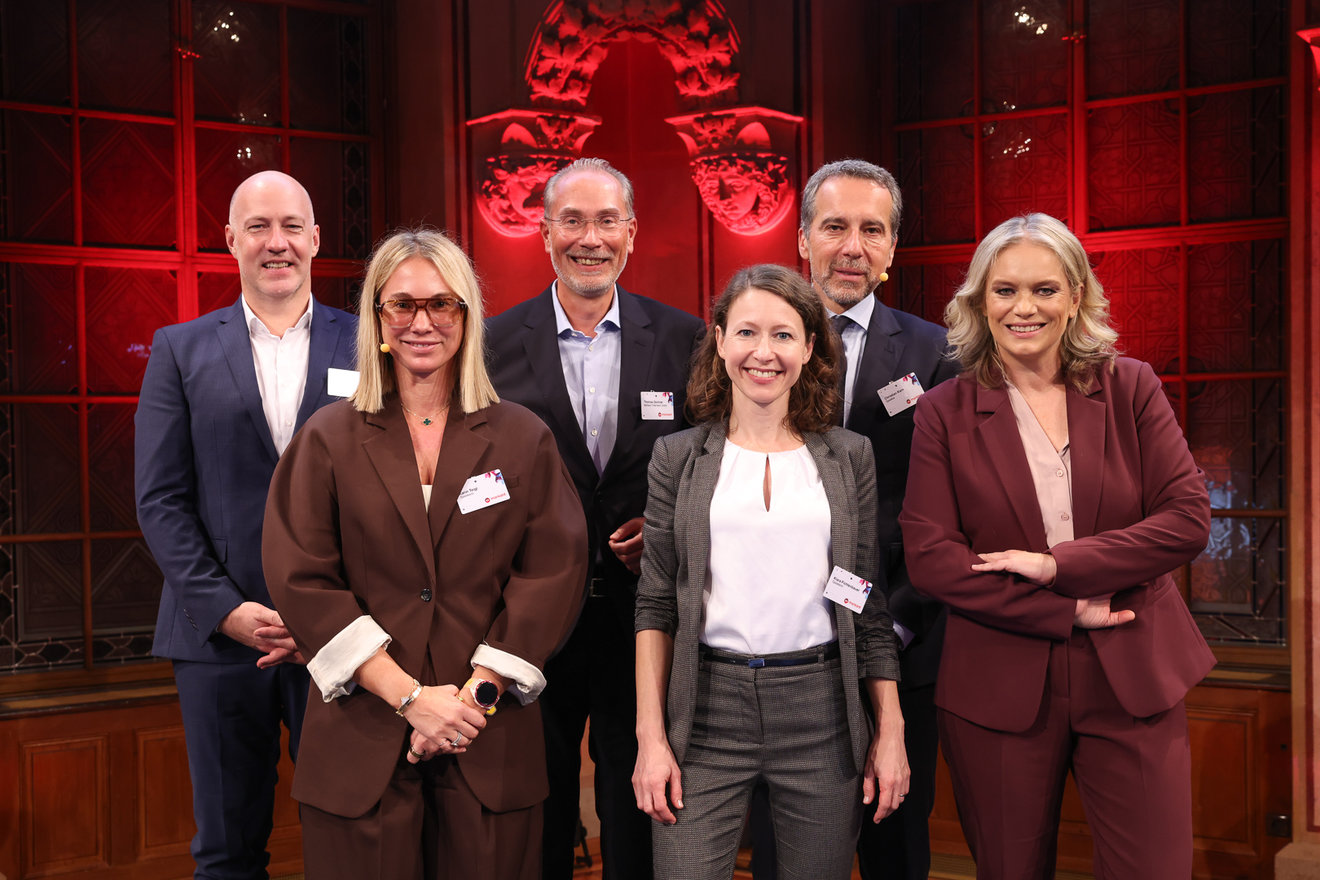
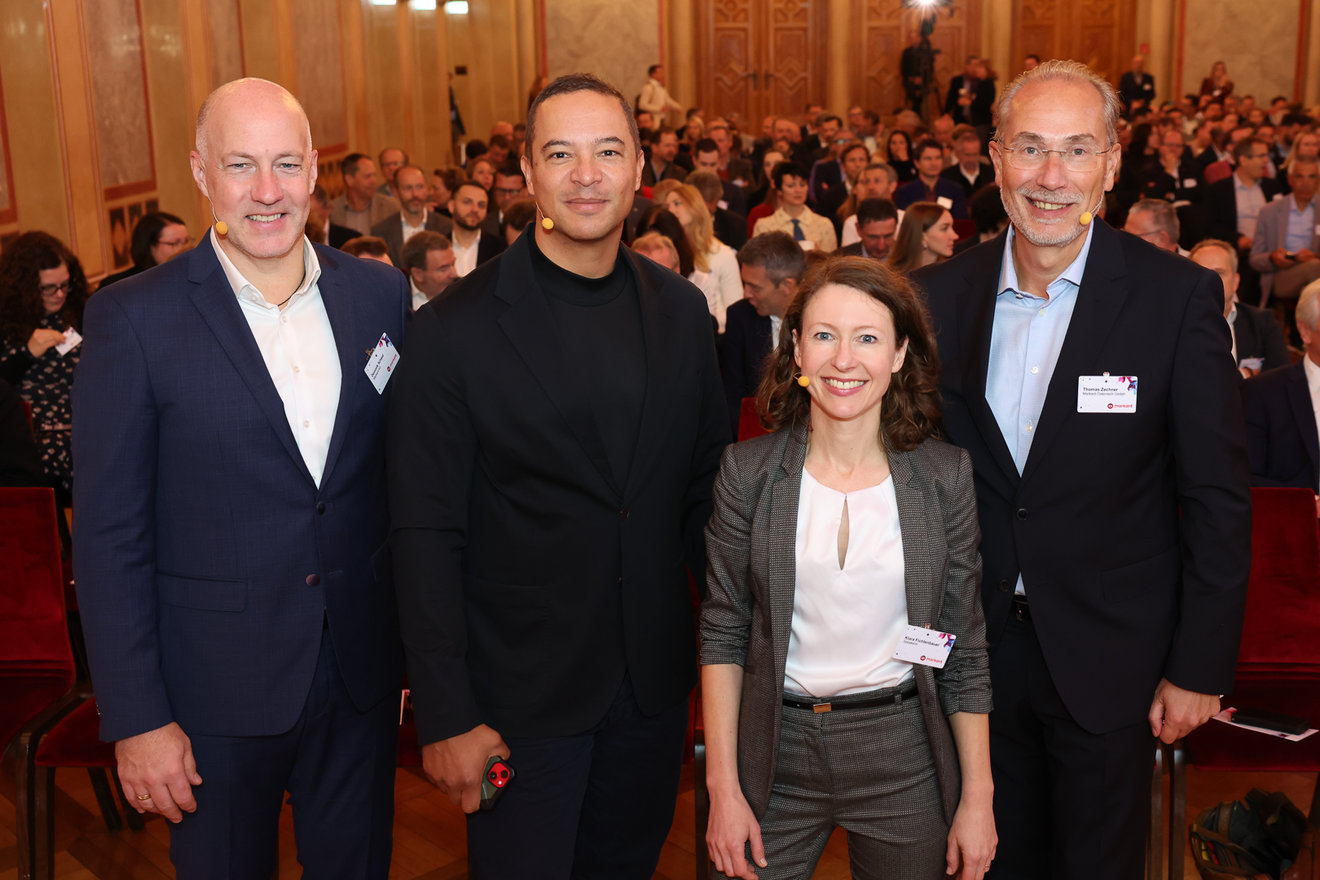
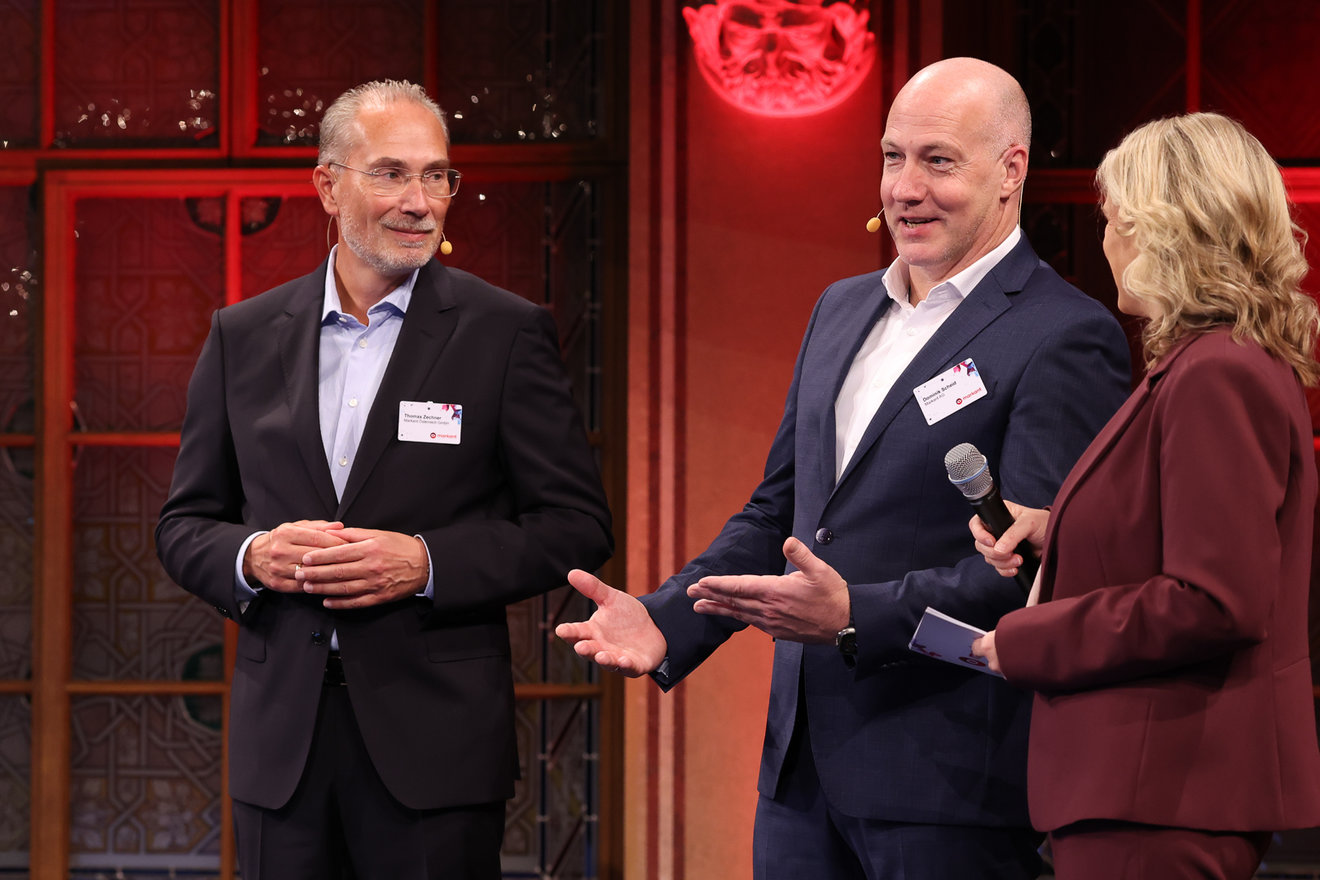
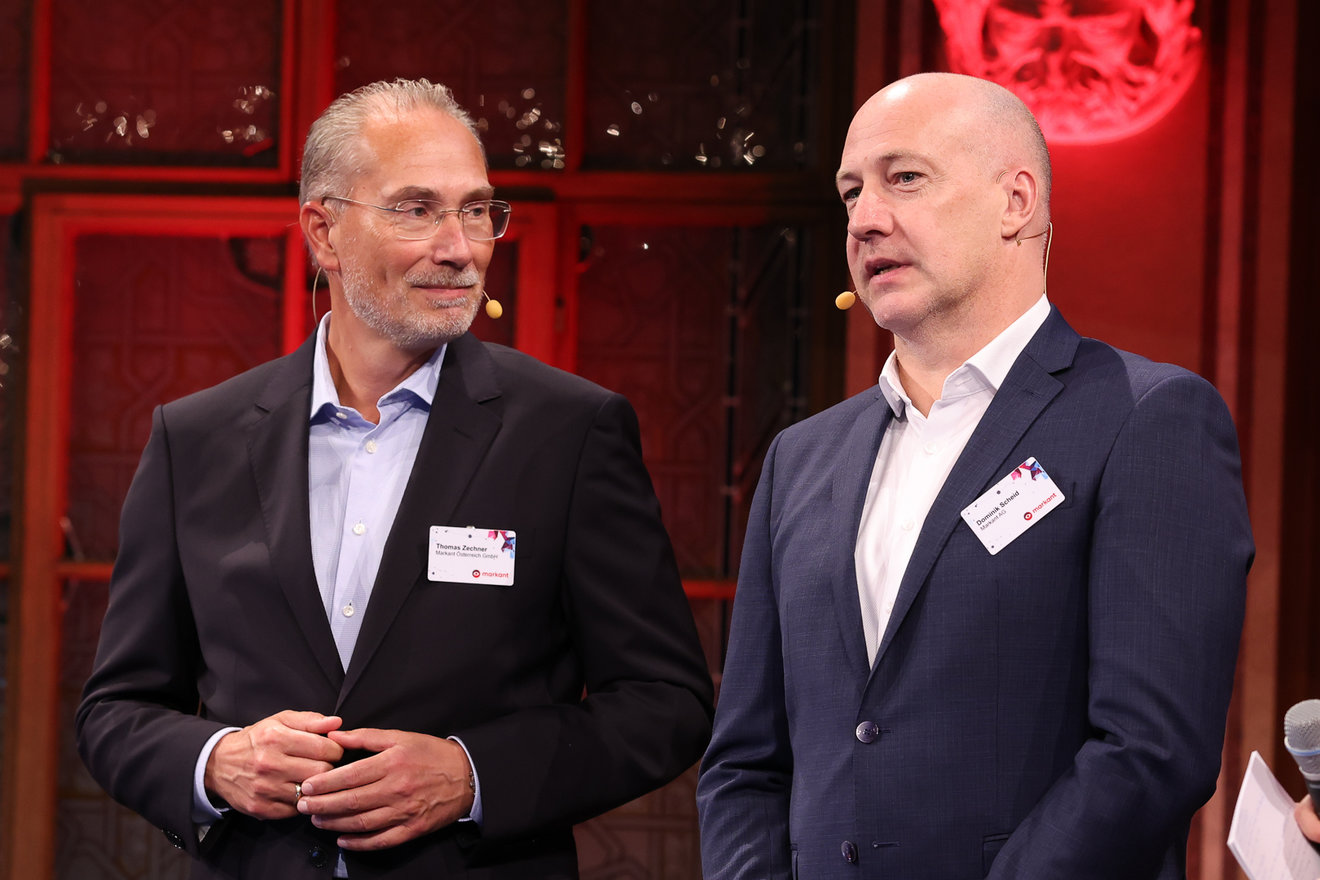
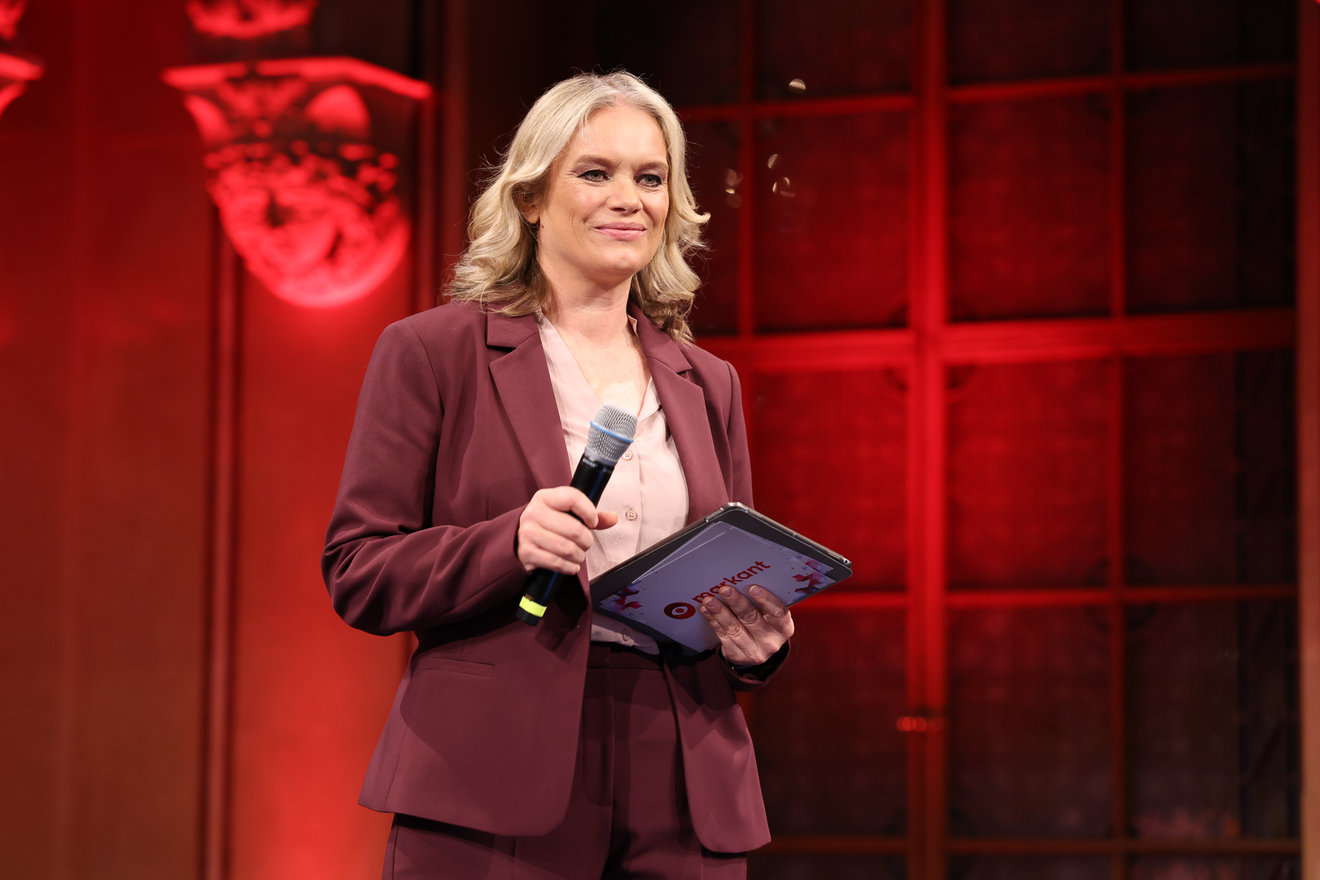
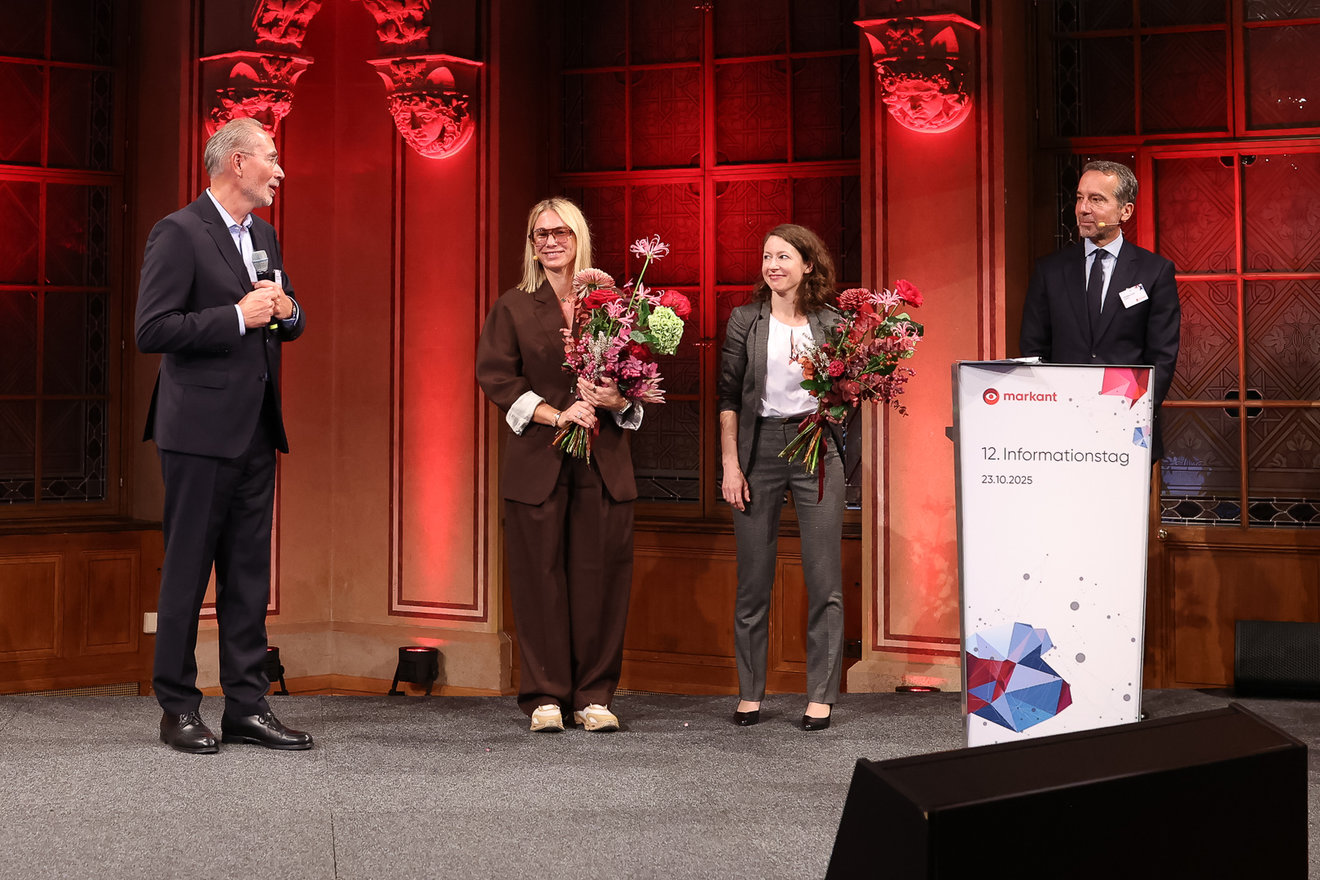
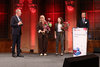
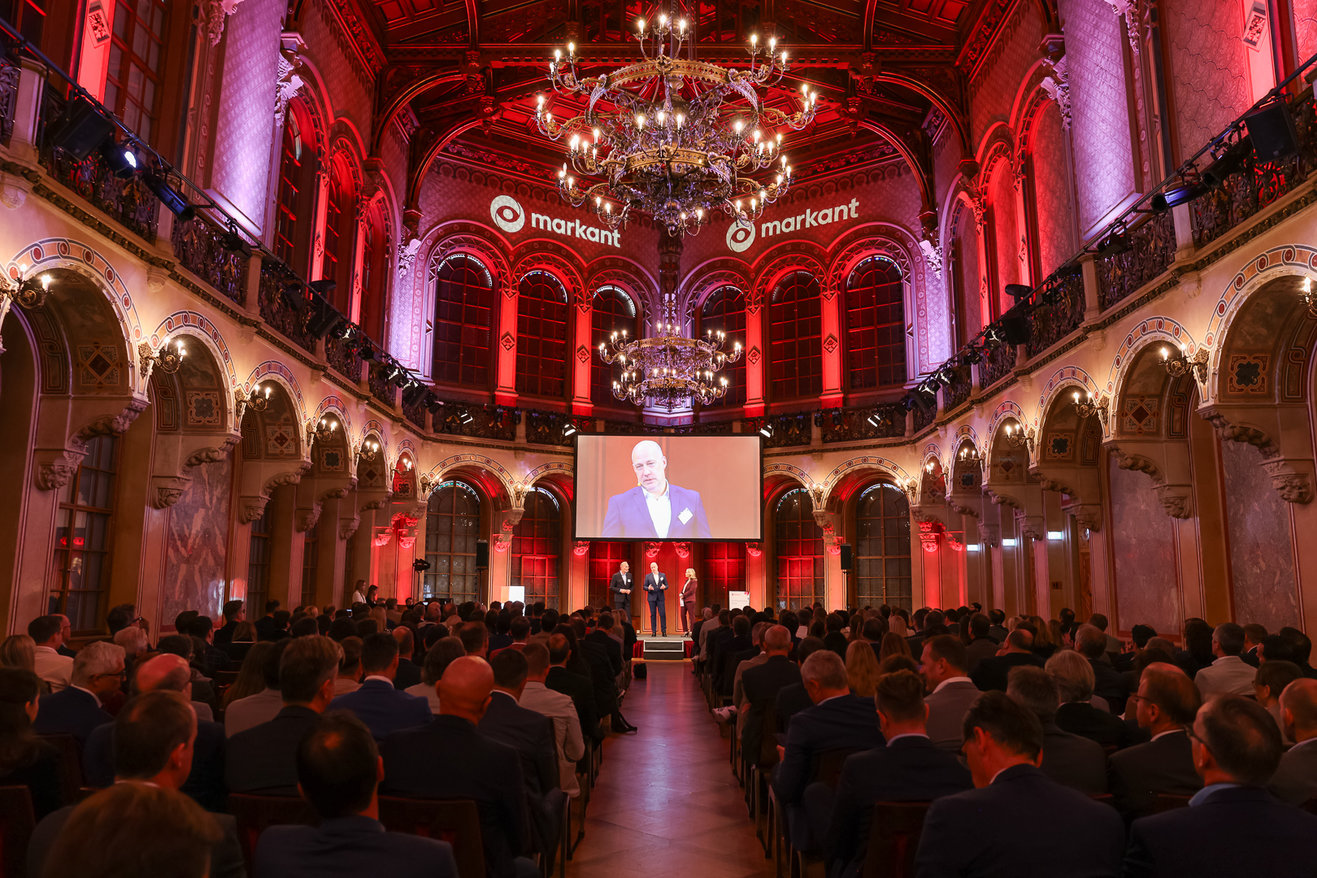
Dominik Scheid, Managing Director of Markant AG, and Thomas Zechner, Managing Director of Markant Austria, spoke about the latest developments and milestones of the Markant Group in an interview with Corinna Milborn.
Scheid explained how the Markant Group can contribute to stabilising the FMCG and DIY sectors in turbulent times. Our services have the potential to reduce process costs in industry and retail and free up energy for competition.’ The Markant Group itself has come through the volatile situation in good shape, with growth of three per cent. The success factor is close cooperation with industry and retail in line with the company’s values: trust, cooperation and progress.
Zechner underlined this with the very good performance of Markant Austria, which achieved sales growth of around three per cent in the current year – compared to seven per cent in the previous year. There has been excellent feedback on product information management and other services such as Price Monitor, ImageOptimizer and ProductWizard.
Looking to the near future, Scheid highlighted the Markant marketplace. The digital platform is set to establish itself as the new infrastructural basis for Markant’s services. This brings the company a big step closer to its vision of being the leading B2B marketplace in Europe. It is not just a matter of relocating services, but also of continuously improving them.
Thomas Zechner highlighted two new services: ProductSpotlight, a digital showcase for new products, and RawMaterialMonitor, which provides raw material prices without the need for time-consuming research. ‘We are seeing good development and usage rates here,’ he reported. Scheid also saw opportunities in the use of artificial intelligence. A lot has happened since the founding of Retail.ai. The managing director of the Markant Group mentioned the new trend radar in this context. ‘This tool helps to save time and recognise trends before they are already in the rear-view mirror – such as Dubai chocolate, for example,’ he described.
Cultural differences between the USA and Austria
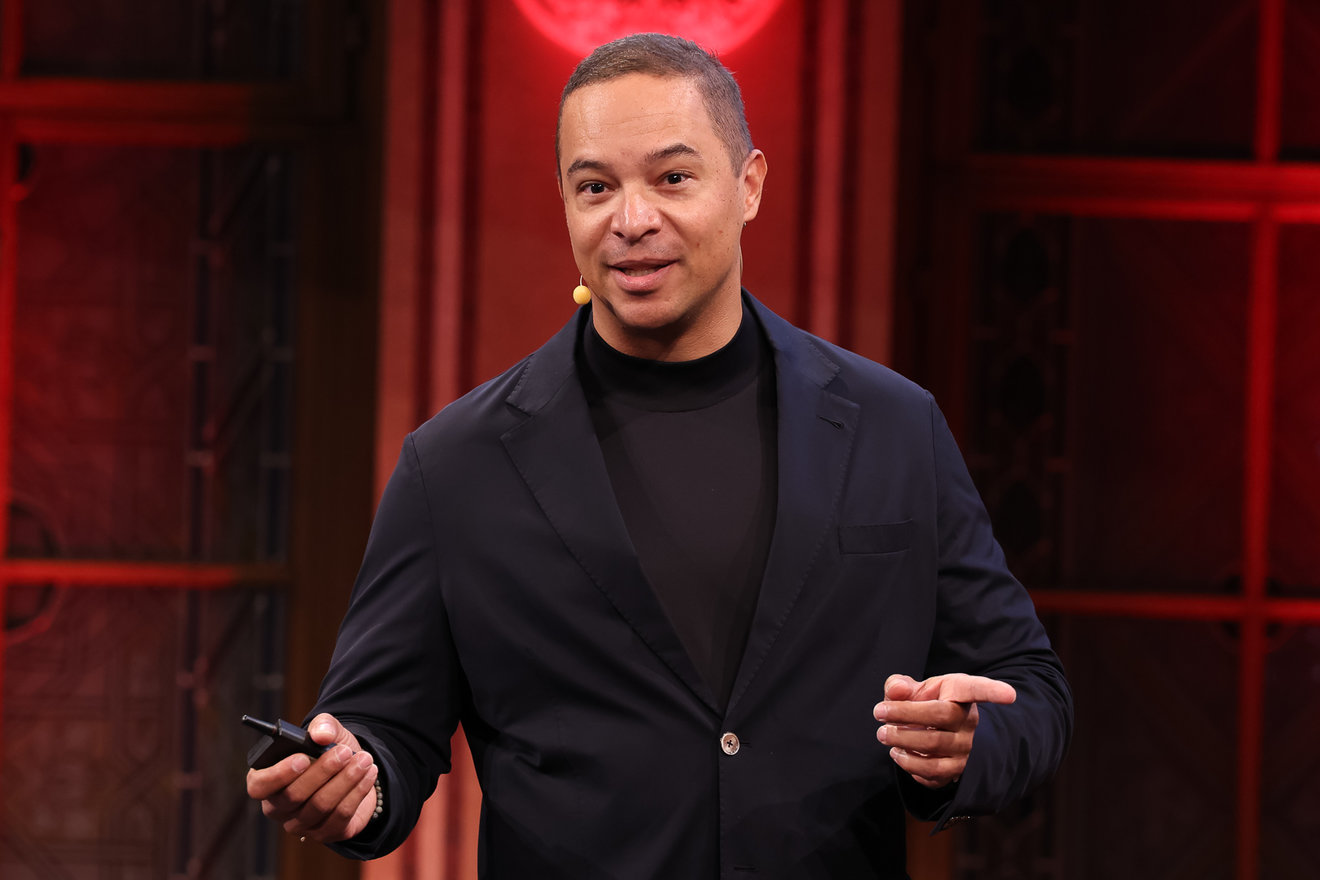
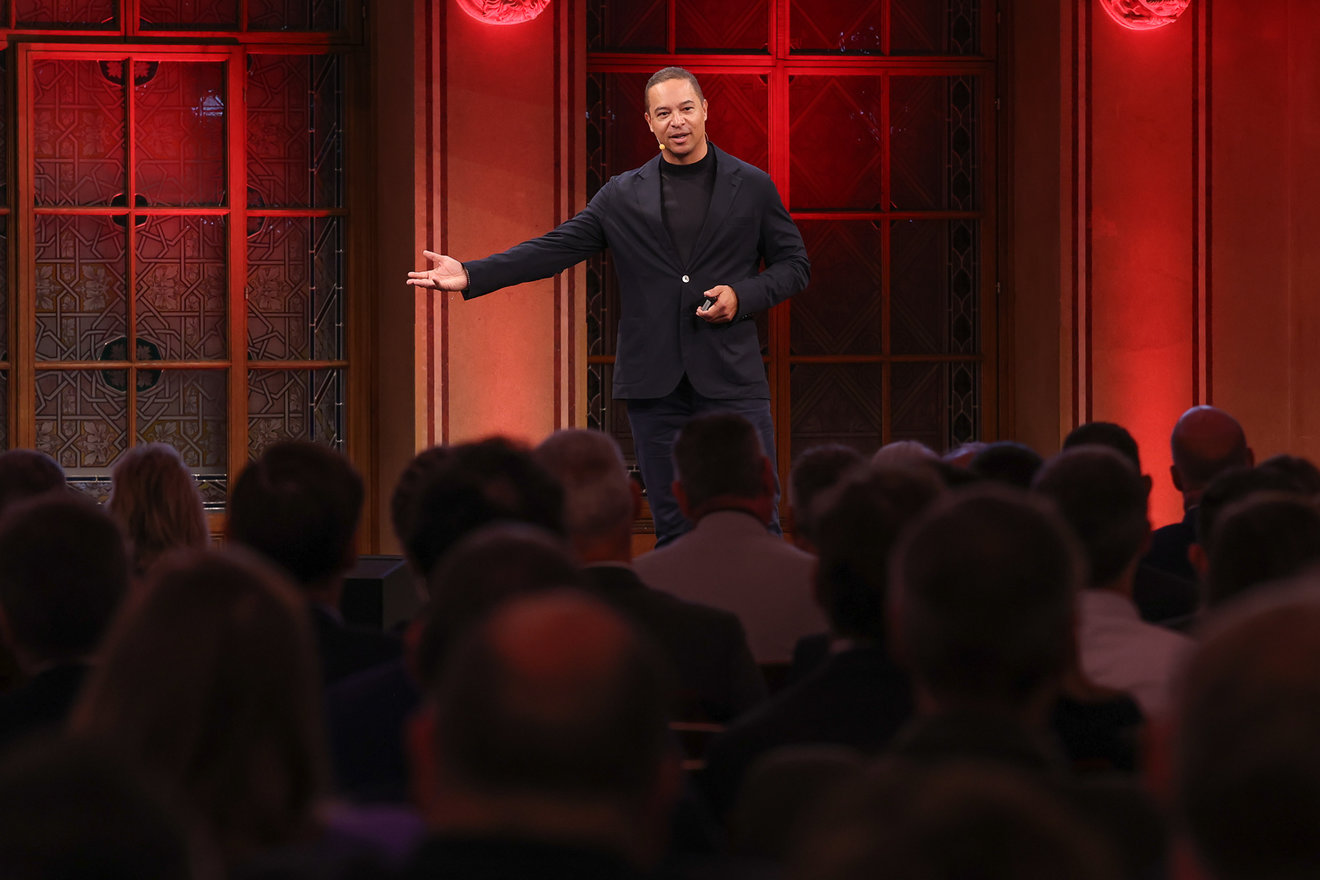
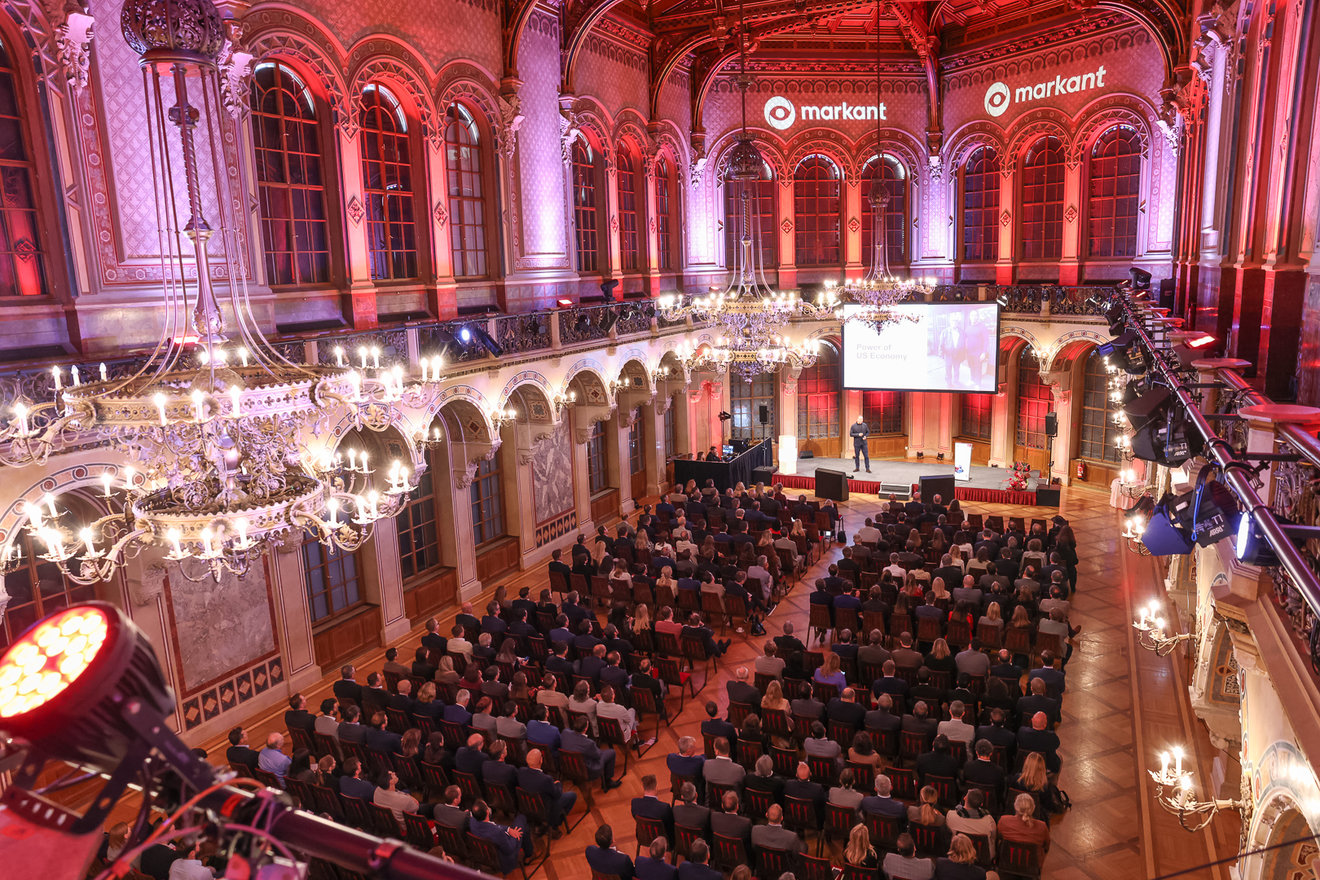
As the son of a North American father and an Austrian mother, lawyer Robin Lumsden grew up in two contrasting cultures. ‘This duality has been a constant throughout my career – and I believe I have been able to turn it into a strength,’ reported the speaker.
People from the USA are more willing to take risks, while Europeans place great value on security. The enormous appreciation of talent, flexibility, mobility and speed gives the USA economic advantages, Lumsden explained. ‘We, on the other hand, have social rules; we play it safe.’ As a result, the USA is vastly superior to Europe in terms of productivity. However, the speaker warned against overestimating the role of Donald Trump. ‘The US economy is so strong despite Trump, not because of Trump.’
So what can Austrian companies learn from the USA? According to Lumsden: value talent, reward commitment more highly and seize the opportunity to attract great professors to Europe. ‘Then we will make a quantum leap.’ And although Lumsden praised many aspects of American culture, he emphasised: ‘There is a reason why I am socialising my three children in Austria.’
How shoppers behave in turbulent times
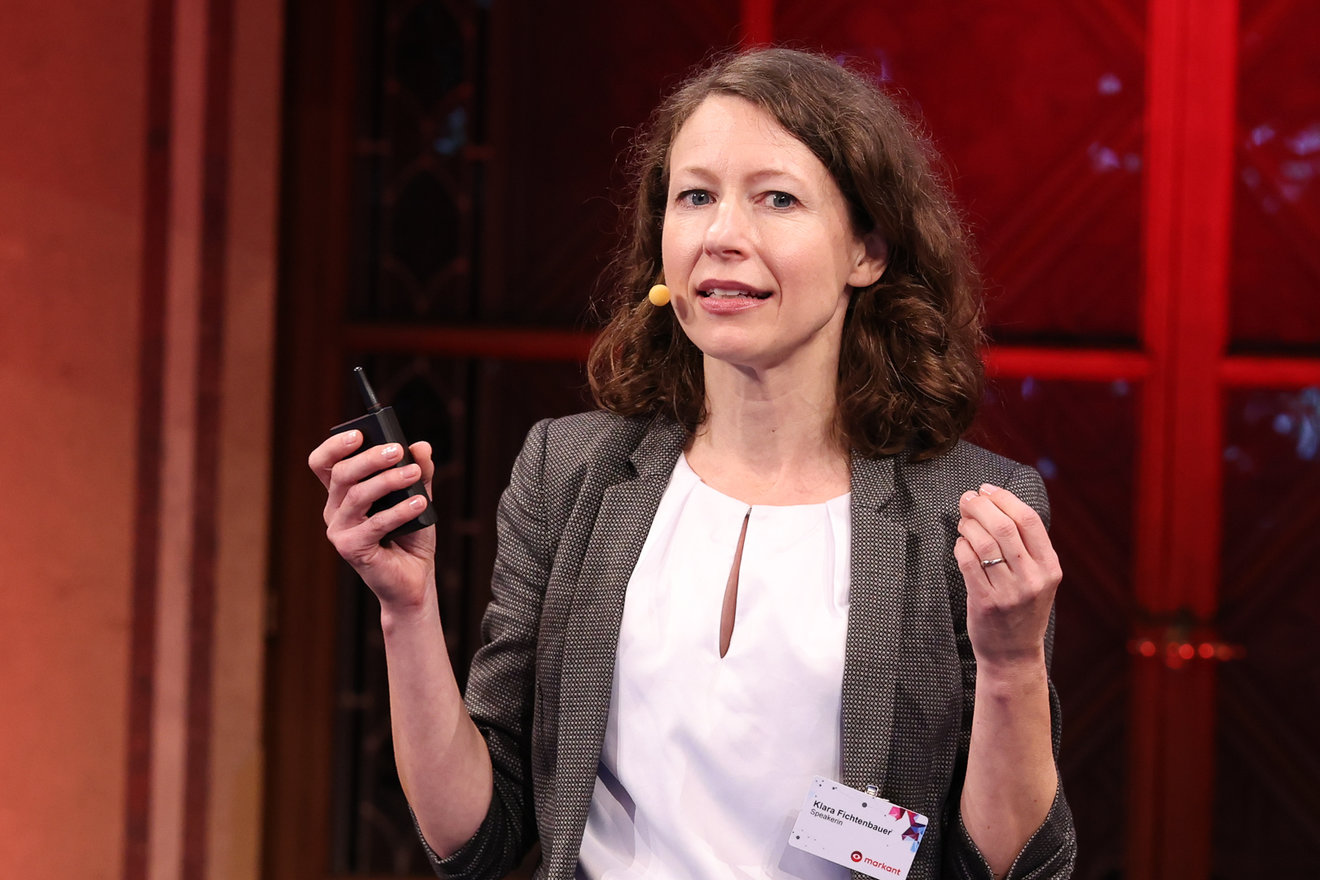
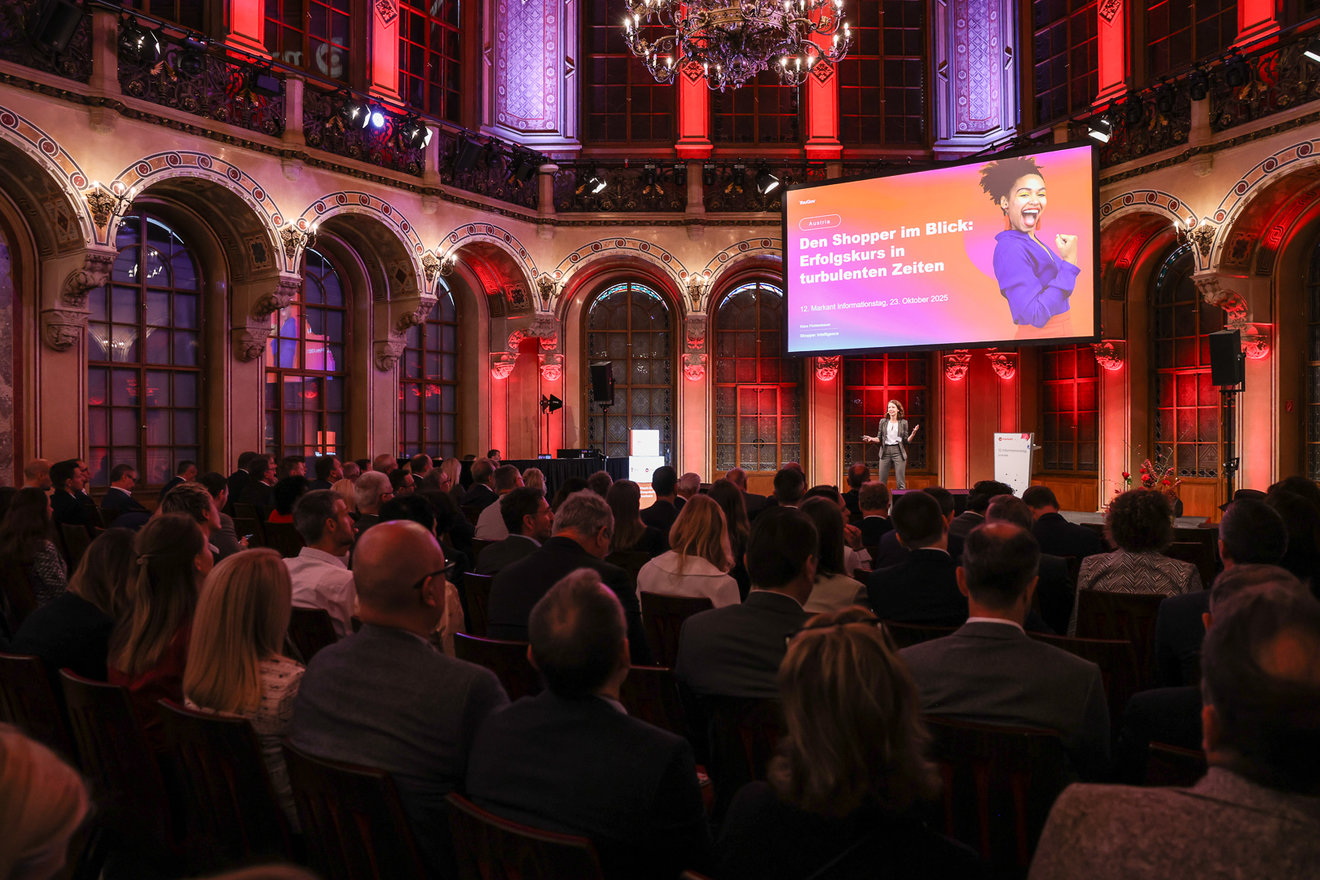
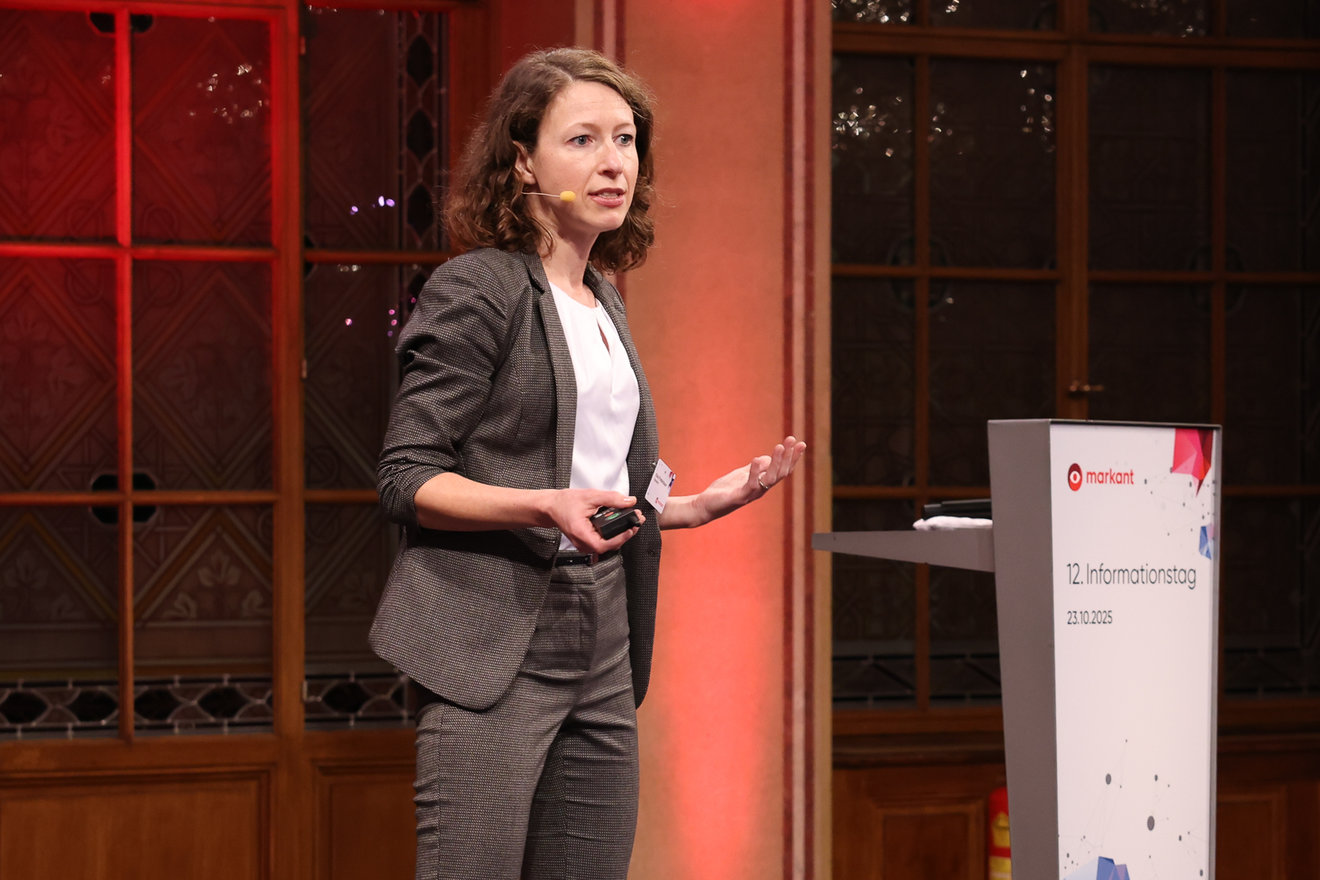
Klara Fichtenbauer, Senior Marketing Consultant at YouGov Austria, gave a presentation entitled ‘Focus on the shopper: the road to success in turbulent times?’. The world is changing rapidly, everything is globalised and interconnected. ‘This leads to us feeling overwhelmed,’ explained Fichtenbauer. Uncertainty, coupled with a feeling of having no control over one’s own life and concerns about one’s financial situation, ultimately leads to resistance.
Fichtenbauer reported that price-focused shopper types are gaining in importance. Promotional purchases have risen massively in Austria – especially among discerning shoppers. ‘So it’s not just about being able to afford something, but also about wanting to afford it,’ emphasised the expert. She pointed to growth in health-conscious areas, reusable glass and fair trade, among other things.
While younger target groups tend to want new experiences, older people value quality. However, it is possible to build bridges in order to grow across generations. It’s about doing something good for yourself – Fichtenbauer cited self-efficacy, self-presentation and self-optimisation as keywords. She advised manufacturers and retailers to evoke positive feelings with a strong, honest and transparent brand in order to counteract negativity and resistance with something positive.
How content leaves an impression
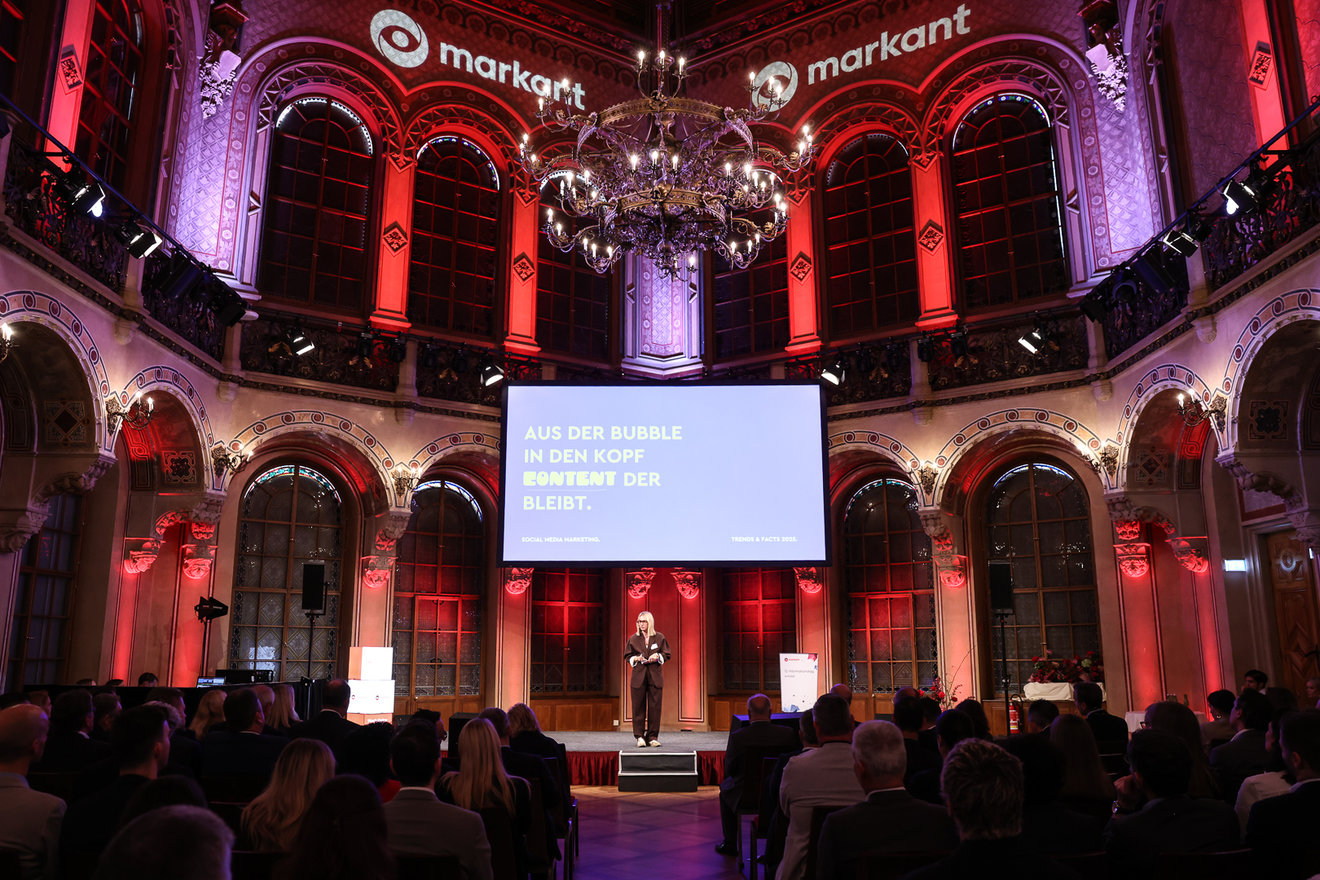
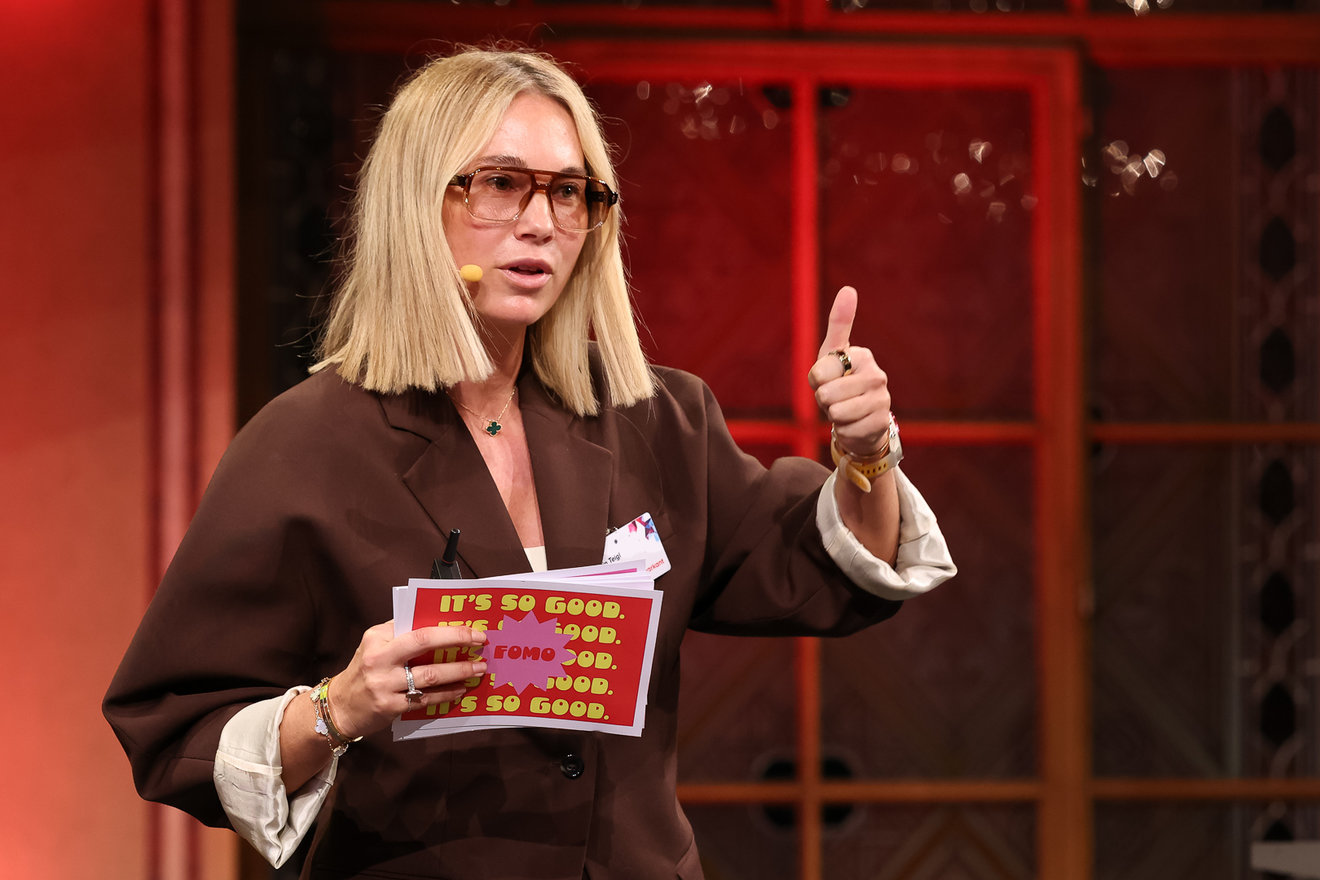
Karin Teigl is a digital entrepreneur at CYK Collective and reaches around 335,000 people with her Instagram account @contantly_k. In a refreshingly lively presentation, she showed how companies can score points with digital content – and why they should definitely take advantage of this opportunity.
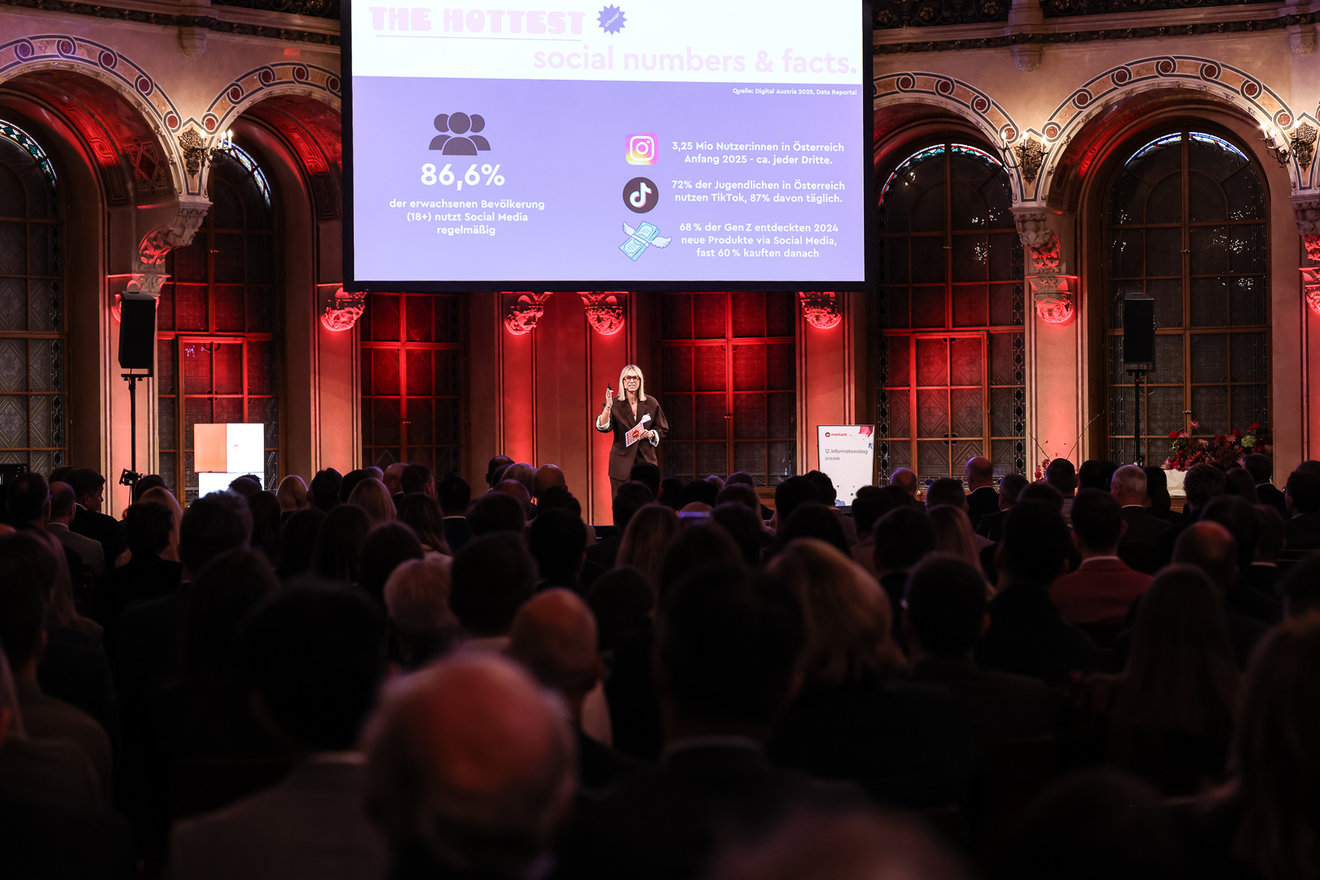
It’s not just young people who are attached to their smartphones, but everyone, Teigl clarified. One in three Austrians uses Instagram. ‘I’d be pretty stupid not to use this platform,’ she explained. Companies should also keep TikTok on their radar, as around 72 per cent of young people use this platform. ‘These are the customers of tomorrow.’
However, getting started on social media is often difficult. Teigl advised bringing the right people into the team and planning three to four posts per week. The rule of thumb is: quality over quantity. In terms of content, she recommended: ‘The more approachable, the more interesting it is for the customer.’ Specifically, this means putting people rather than products or offers at the centre of the content. Used correctly and integrated into the marketing mix, Teigl sees a lot of potential. ‘It’s not difficult, you just have to be open to it,’ Teigl told the audience.
Europe in a global field of tension
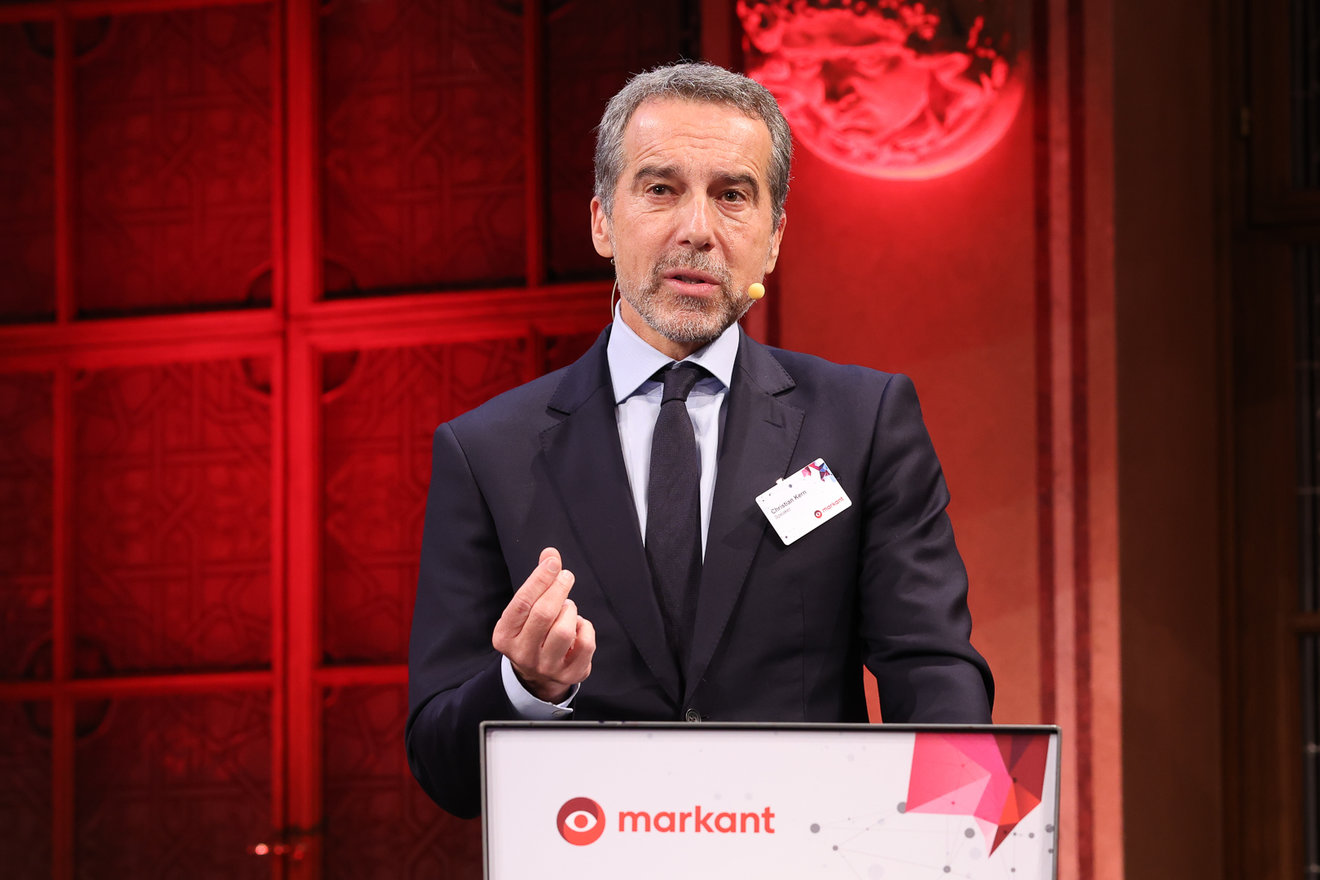
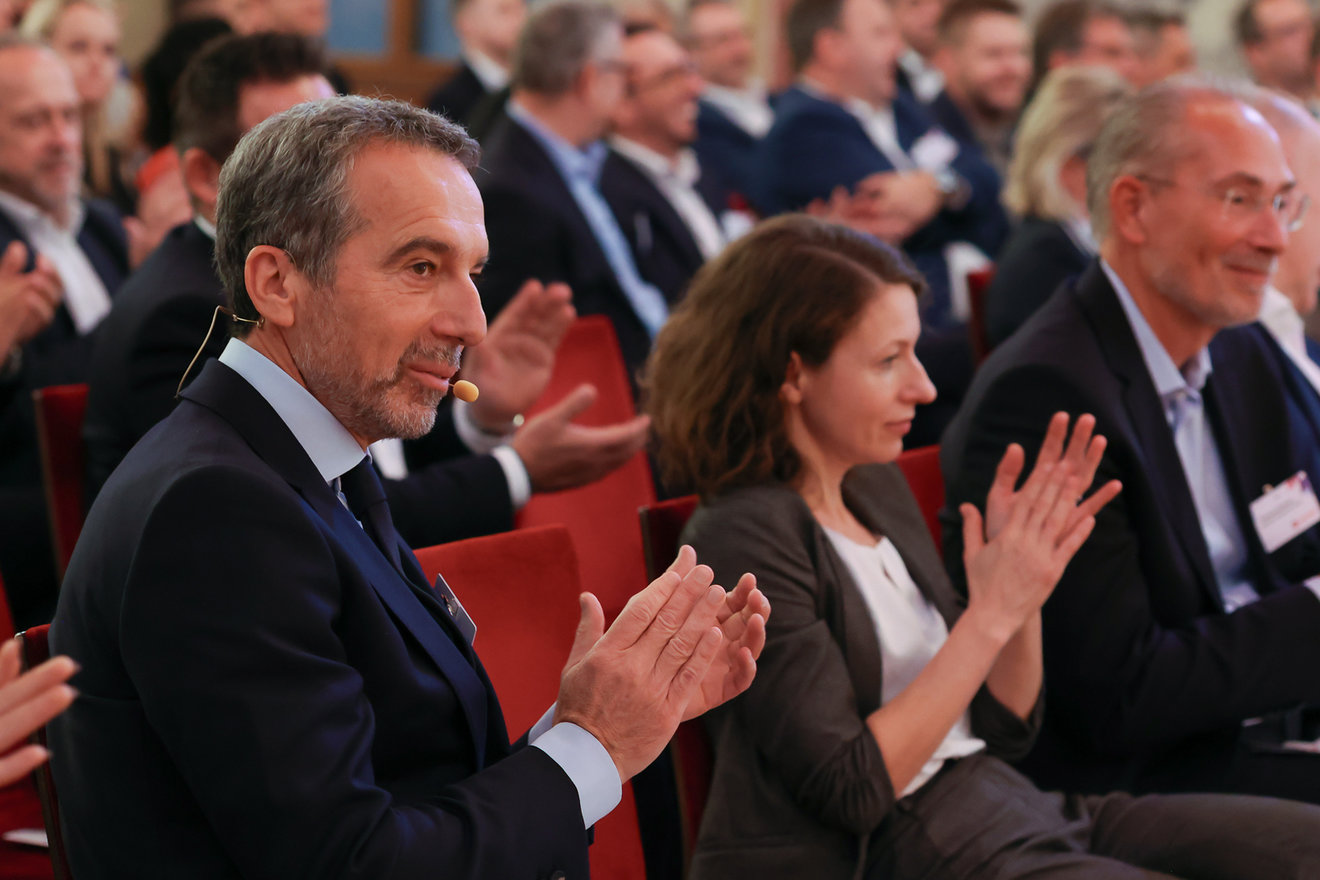
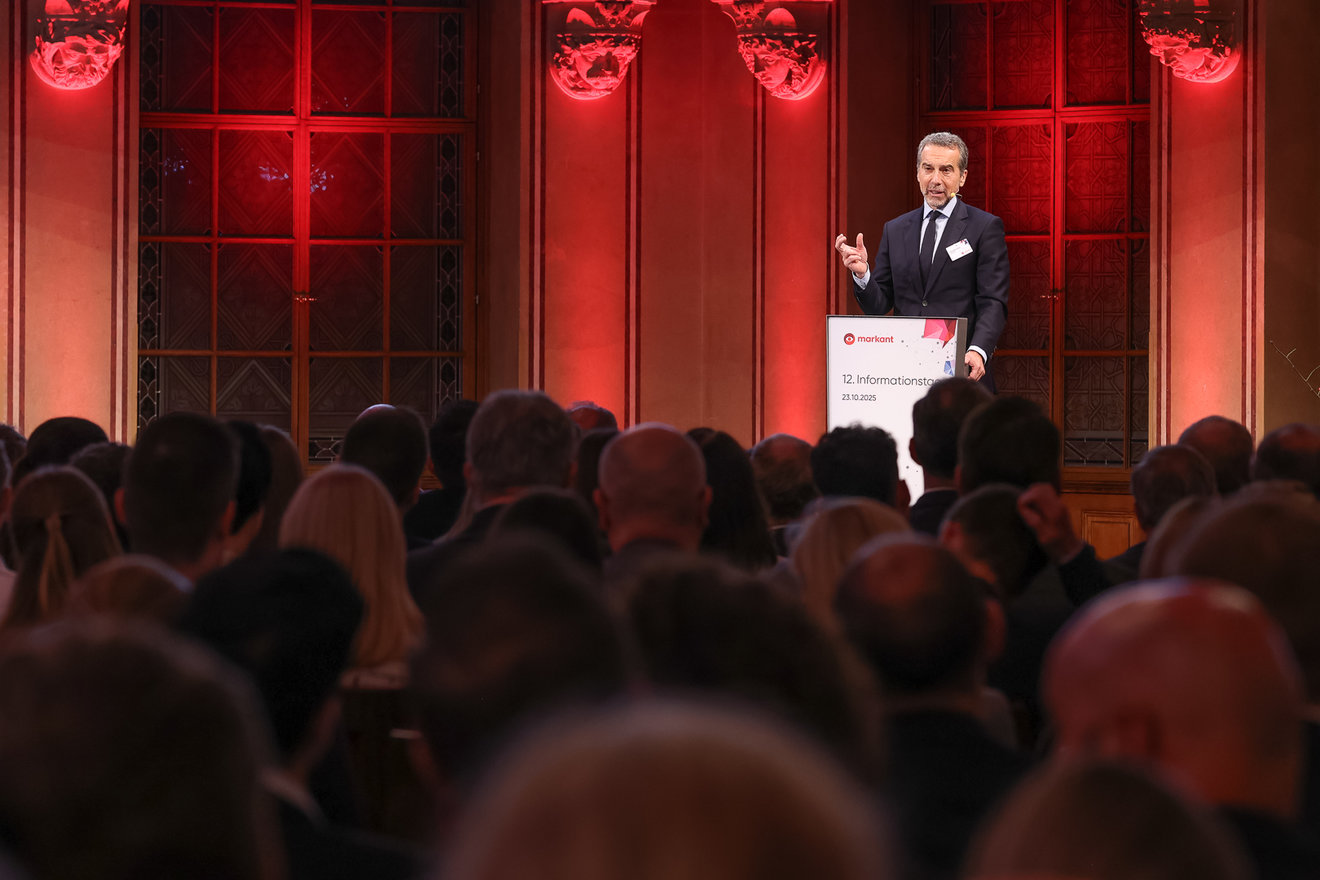
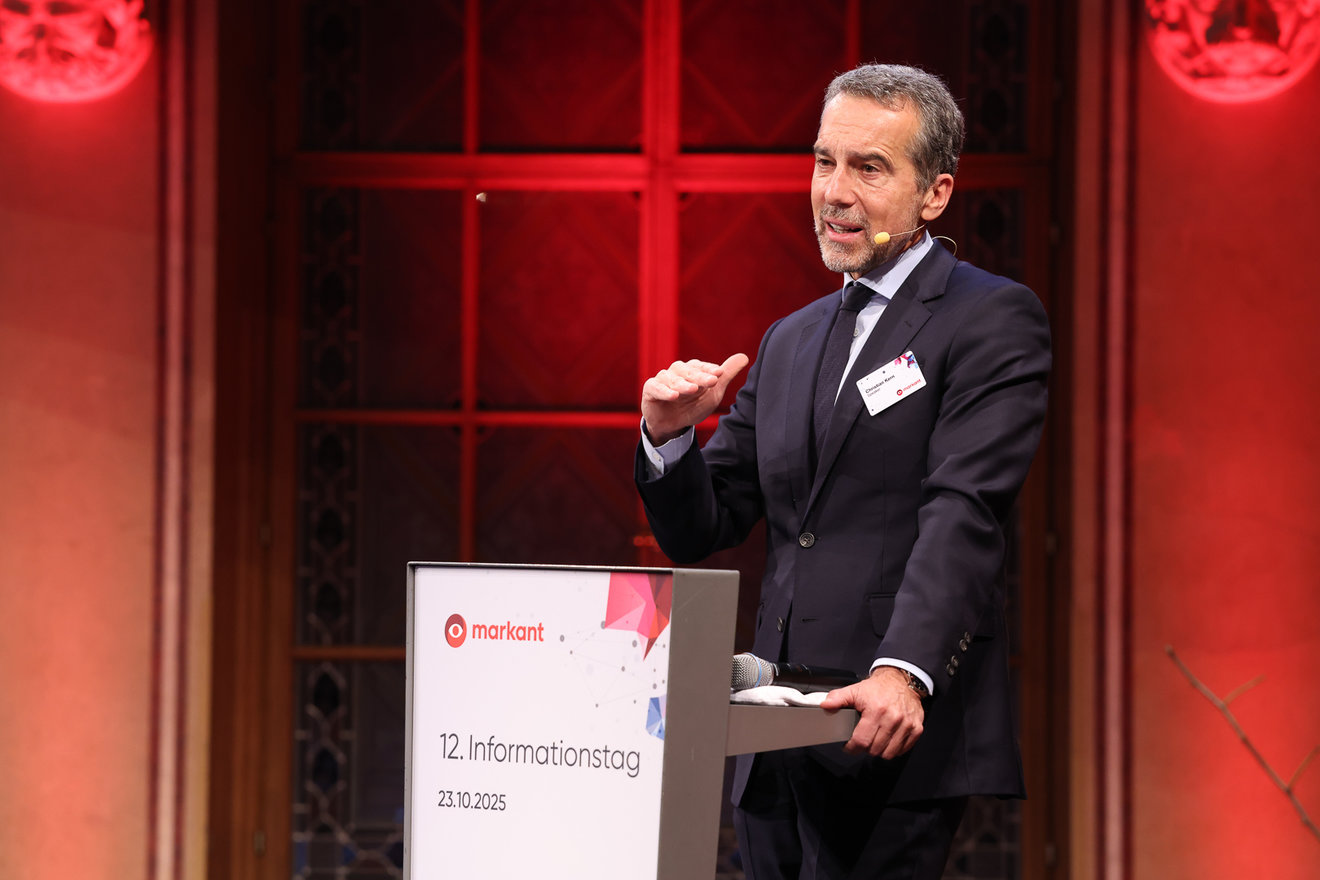
‘Leadership: Lessons for a world in turmoil?’ was the title under which the former Chancellor of the Republic of Austria, CEO of the European Locomotive Leasing Group and manager Christian Kern took a close look at the current political and economic world situation. Kern cited the example of Dutch chip manufacturer Nexperia and expressed concern that Europe is squandering its political power in the conflict between the US, China and Russia.
The EU’s central promises – peace and prosperity – have already been undermined by three shocks: Russia’s war of aggression in Ukraine is affecting the commodity markets and leading to massive investment in armaments. The China shock is also creating losers – China will soon account for around a third of global production. Finally, Kern mentioned the Trump shock, which could mean the loss of one of the most important export markets.
European industry is therefore under immense pressure. ‘It is time to address the question: where are we now and where do we want to go?’ Kern concluded. He cited a lack of innovation as one of the reasons for the weak growth, saying that Europe had lost its lead. Nevertheless, he spread optimism. ‘There is no eternal crisis,’ he said. Europe has enormous potential, and the conditions for a new boom are in place.
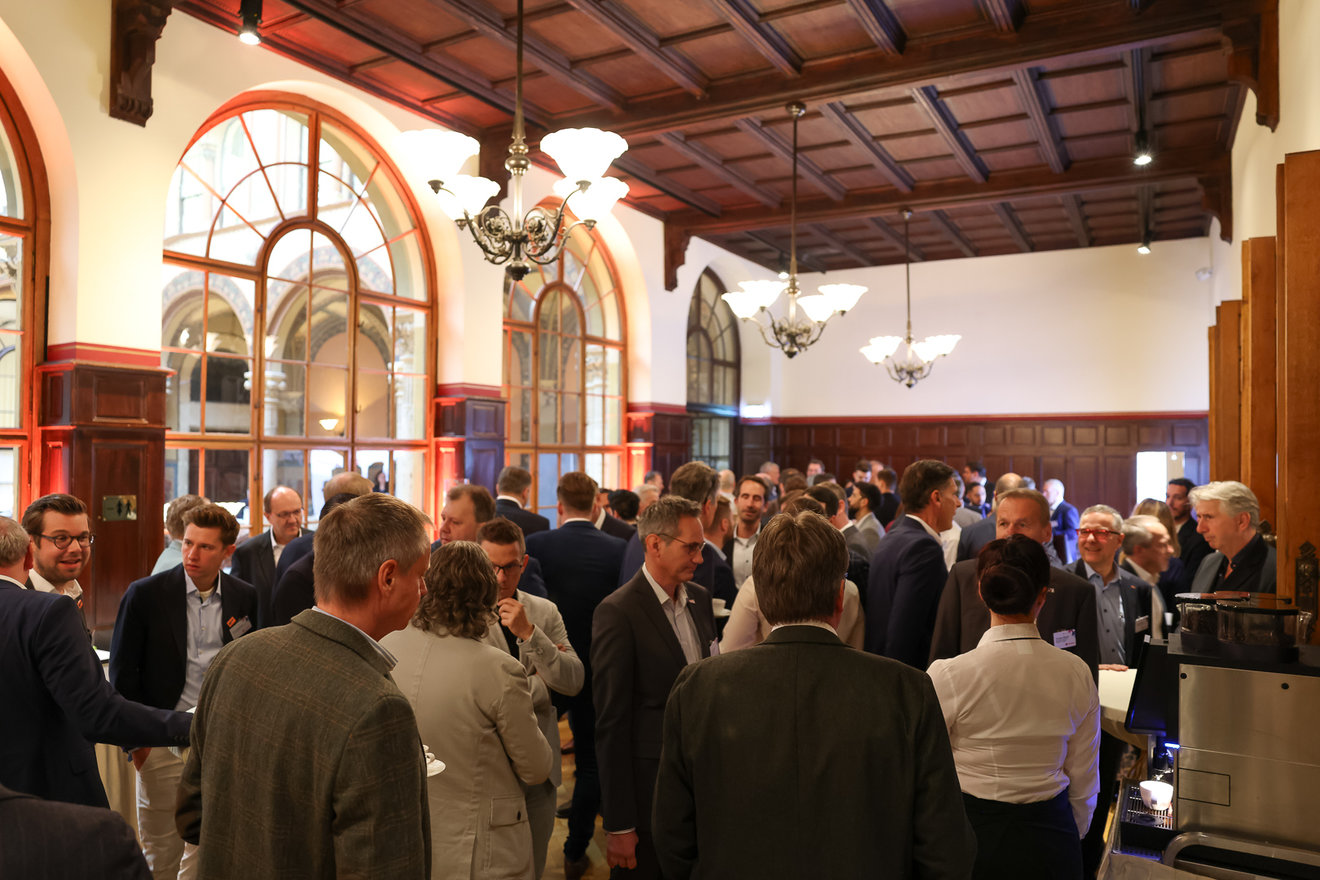
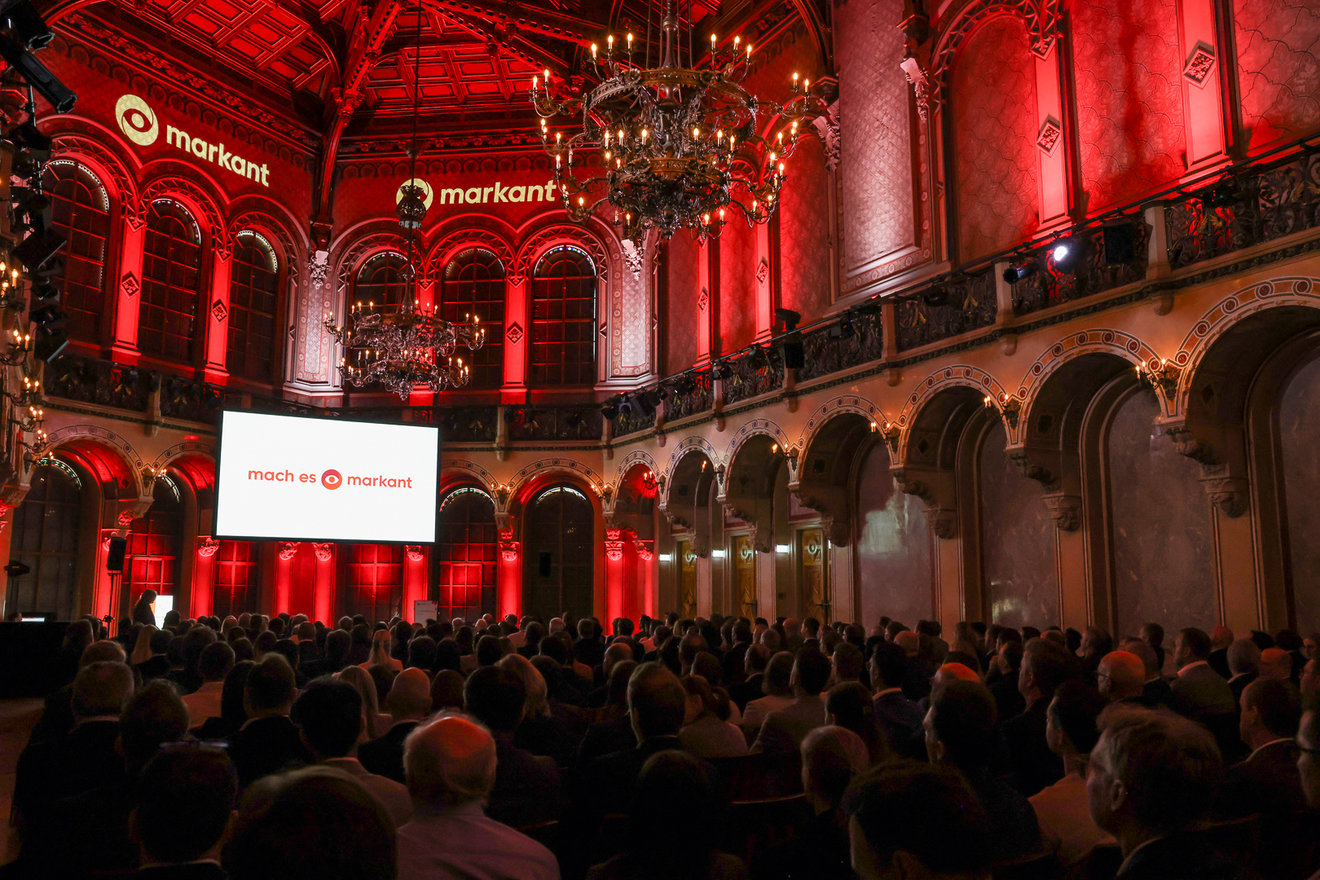
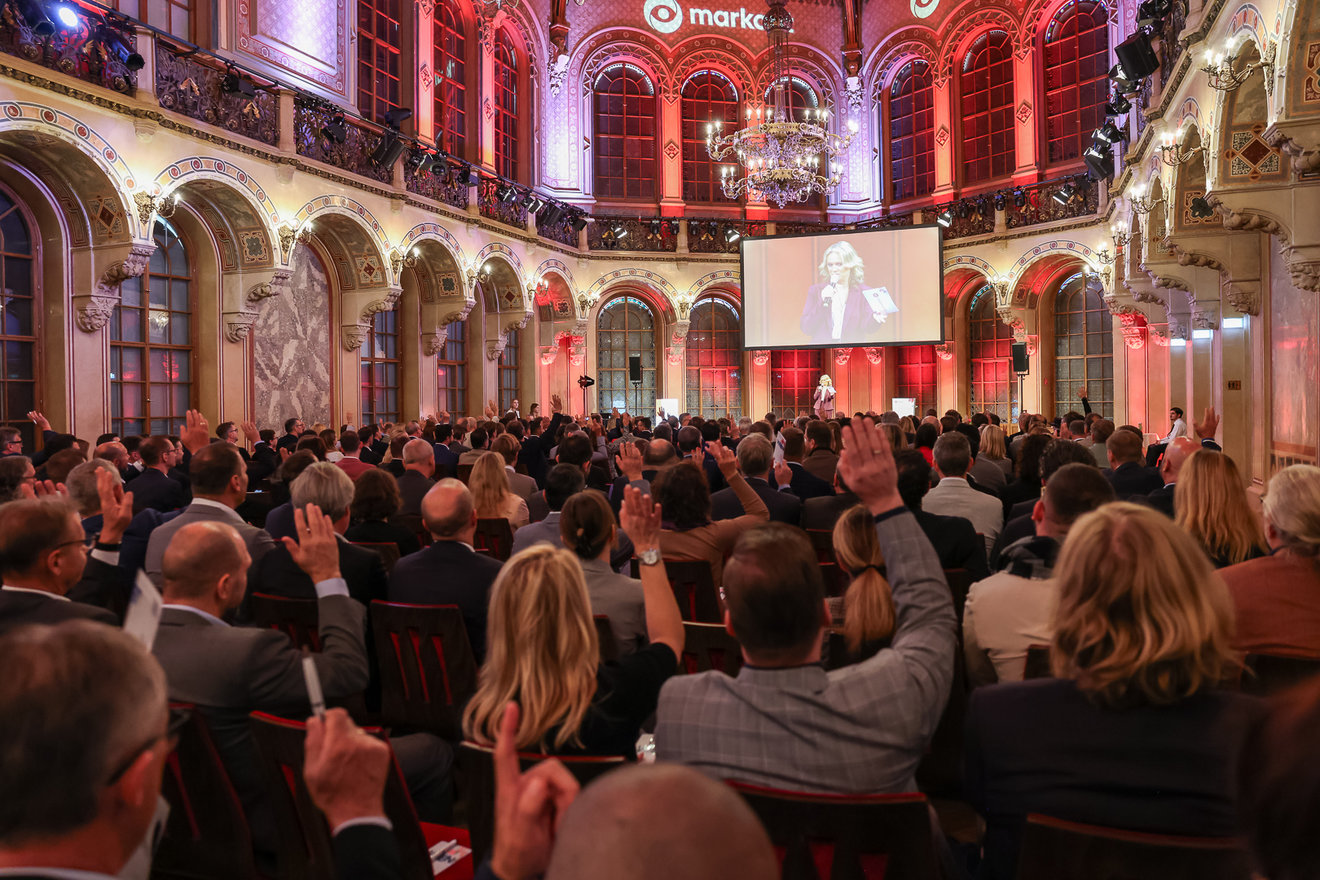
Thomas Zechner concluded by thanking all the speakers and the Markant partners in attendance. The 13th Information Day of Markant Austria will take place on 22 October 2026 at the Palais Ferstel in Vienna.